Function Overloading is the ability to define two or more functions with the same name that have a different signature, i.e. a number and/or different types of parameters/arguments.
For example:
function DoSomething(a)
function DoSomething(a,b)
function DoSomething(a,b,c)
In JavaScript, there is no function overloading. There is however behavior regarding sending different parameters, and there is a pattern we can use to handle function overloading.
First, consider the case above. If we have one argument, we can call a simple function like:
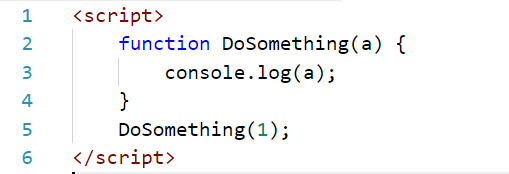
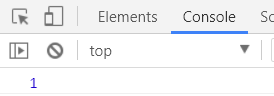
Which writes 1 to the console:

Now if we expand this to 2 arguments, we can add both:
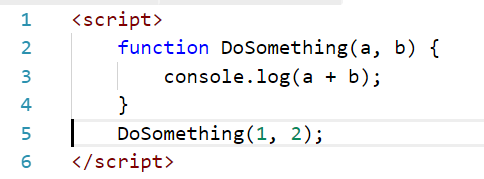
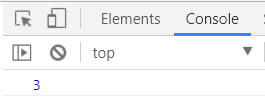
This writes 3 to the console:
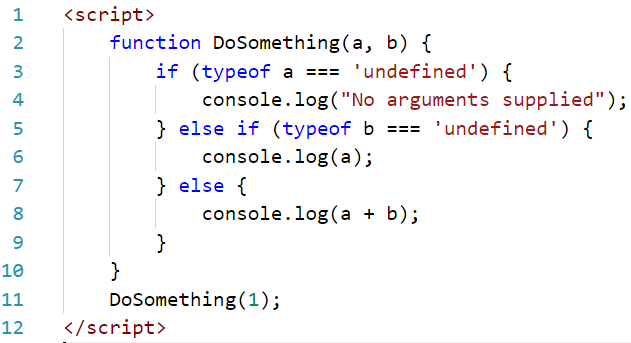
Now what if we didn’t supply the 2nd argument? We can check for this by:
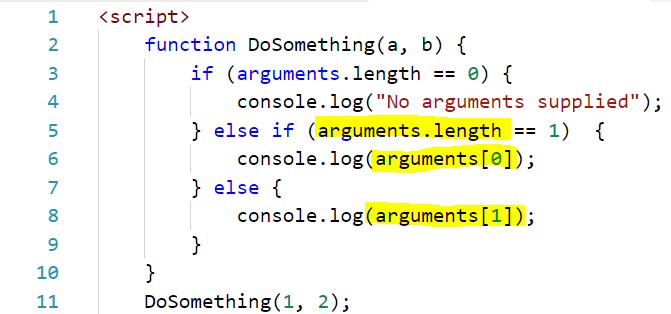
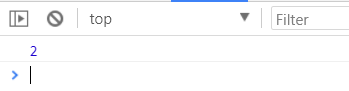
JavaScript also defines an arguments object. You can access arguments variables through:
Another way is to use an object as a parameter, which can hold many arguments. For example:
[sourcecode language=”JavaScript”] function DoSomething(o) {if (o["arg1"])
console.log(o["arg1"]);
}
DoSomething({"arg1":"Test", "arg2":"Test2"});
[/sourcecode]
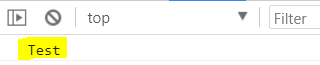
This produces:

Explore AI, agents & Microsoft technology.
I share practical ideas, tutorials, and videos about AI, AI agents, Microsoft technologies, and the Power Platform.
Subscribe on YouTube →