In this post, we will go through creating and approving pull requests in GitHub. Our example will include multiple reviewers.
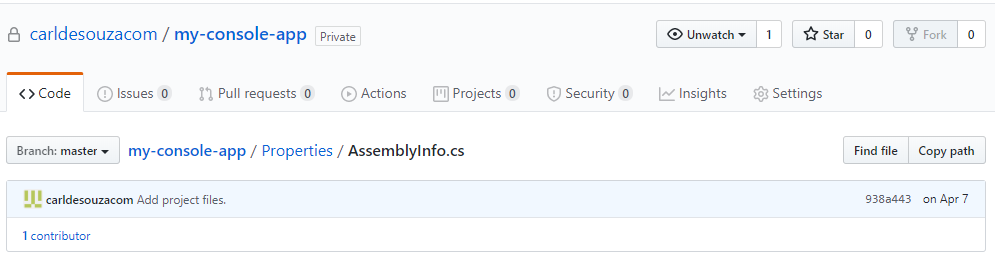
First, let’s go to a repo and change a file. We will update the version number of an assembly:
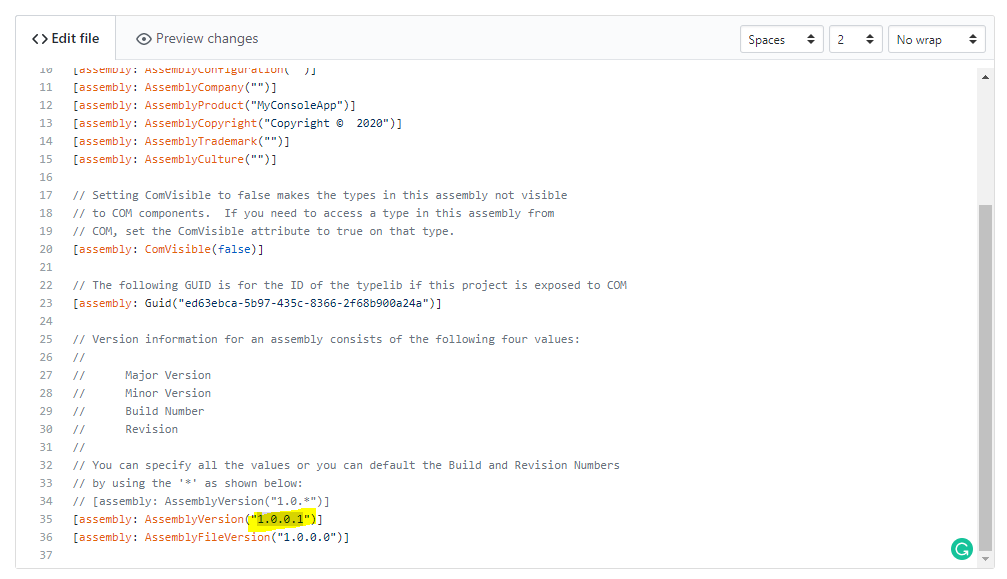
Change the version:
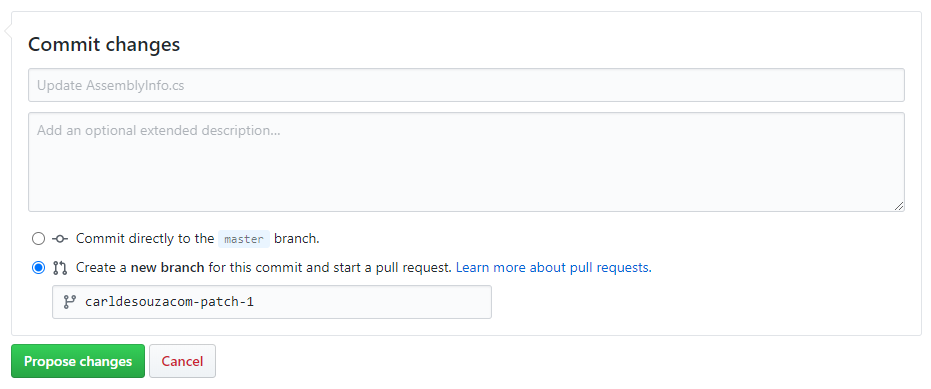
Now, we will create a new branch based off this change:
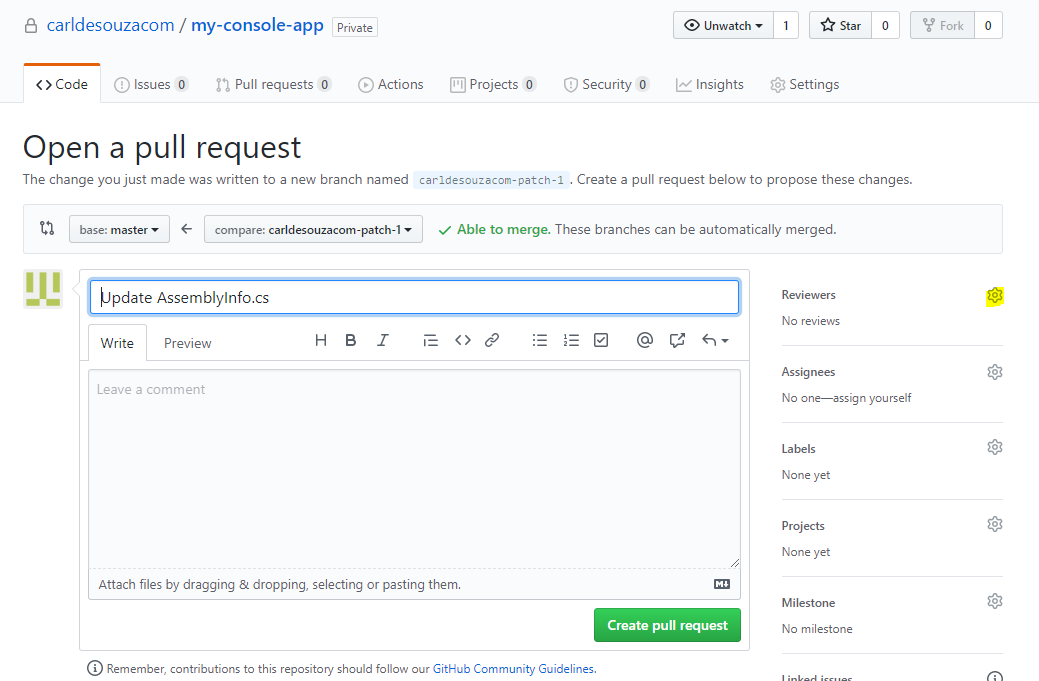
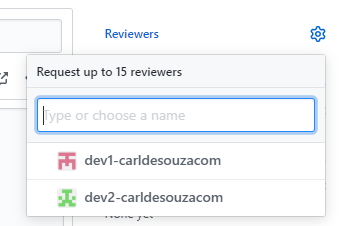
This takes us to the Pull Request. Let’s add some reviewers by clicking the link on the top right:
We see there are 2 users in this repository. Select them both:
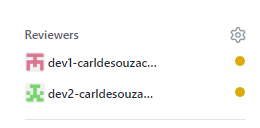
The reviewers now show with orange circles next to their names:
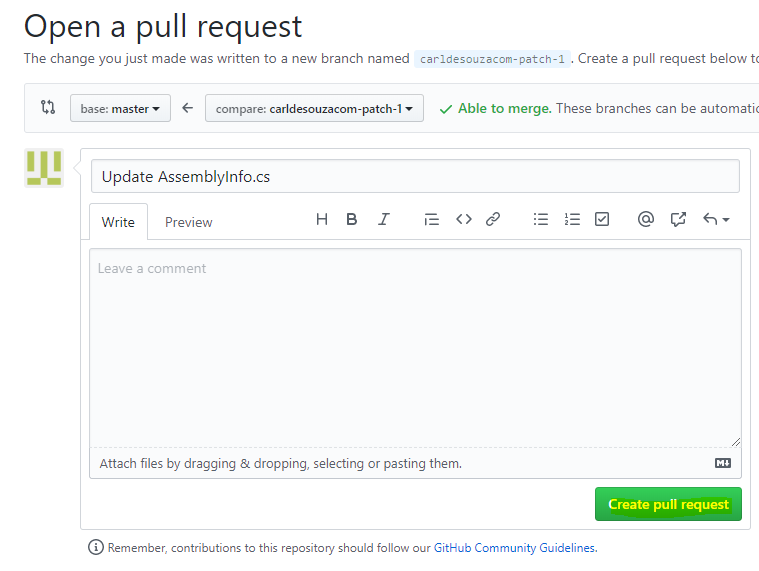
Click Create Pull Request:
Now when the dev1 approver logs into GitHub and they go to Pull Requests->Review Requests, they see the PR:
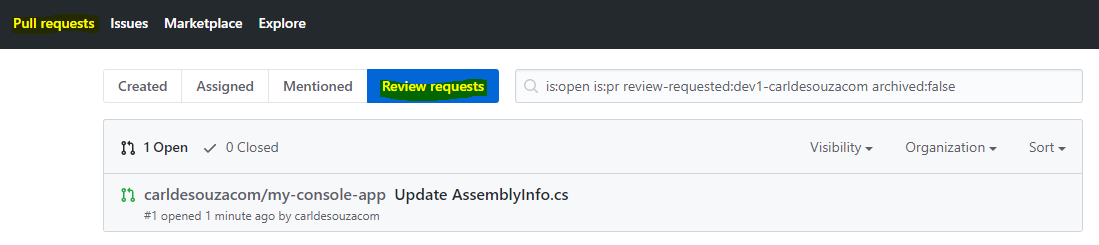
Clicking on the file name takes them to the PR:
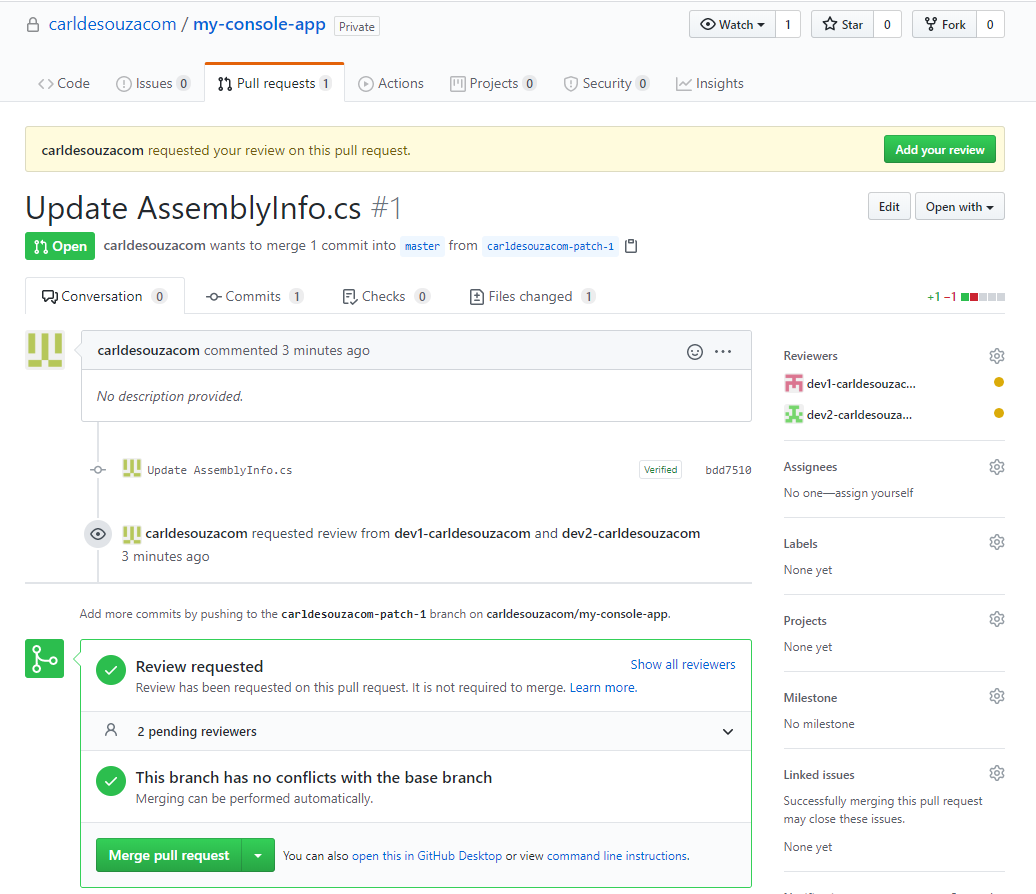
They will select Add Your Review at the top:

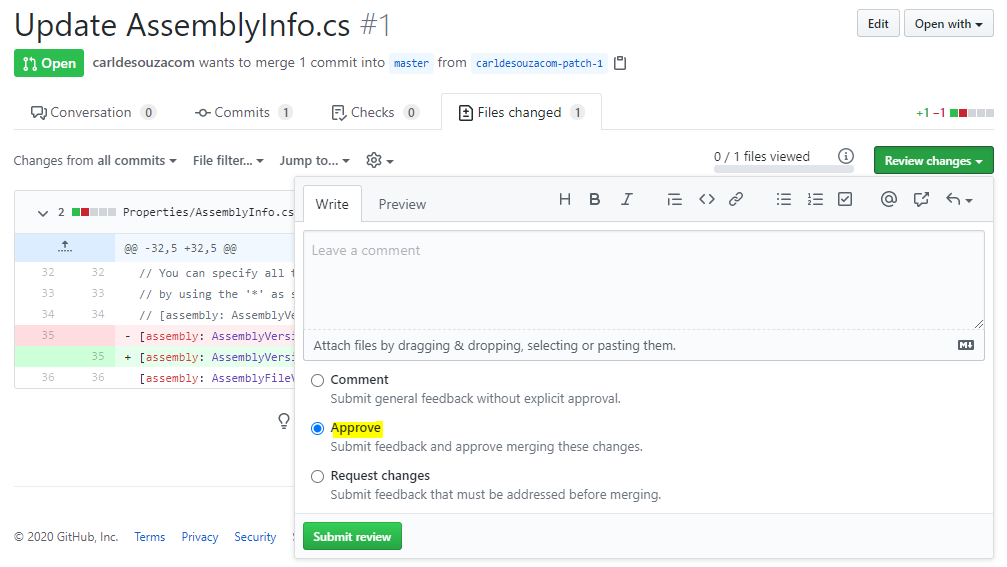
Here we can Comment, Approve and Request Changes:
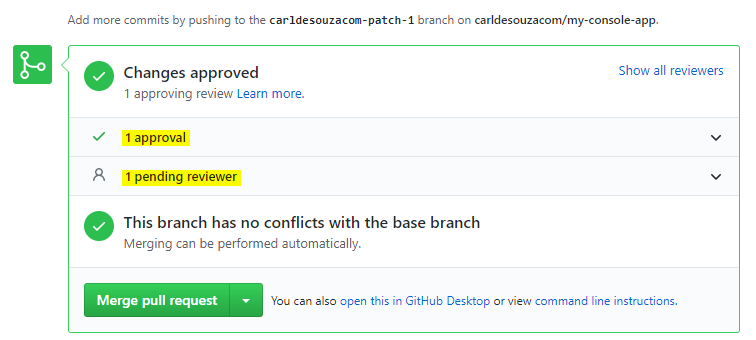
On approving, we see 1 approver and 1 reviewer:
When the 2nd reviewer logs in, they will see the same thing:
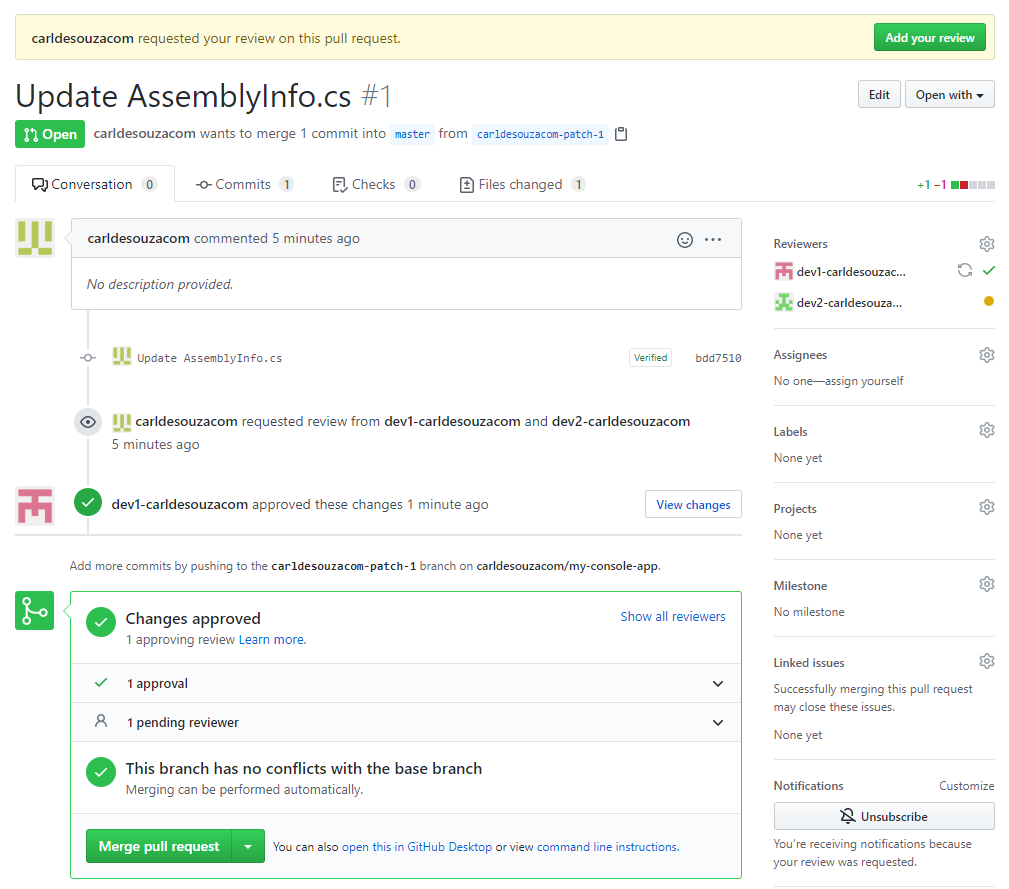
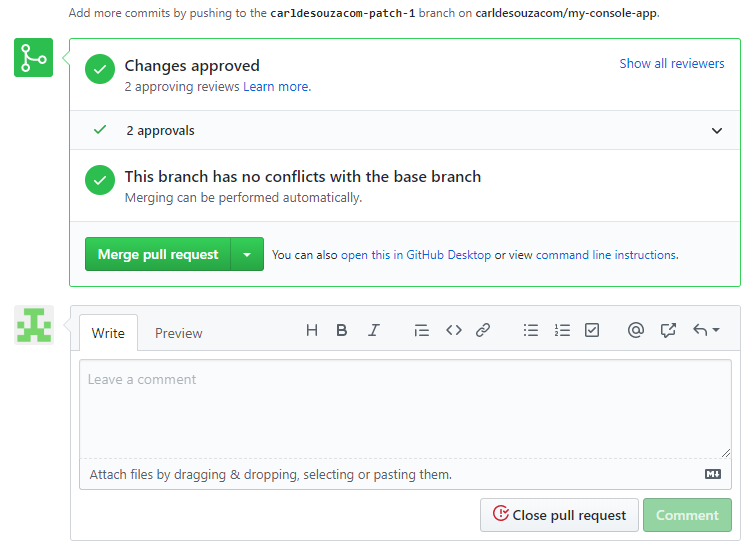
On approving, they can decide to merge or close the PR. We will do neither:
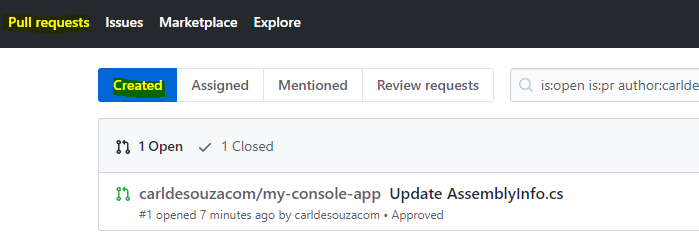
When the original user who created the PR logs in, in Pull Requests->Created, they see the status:
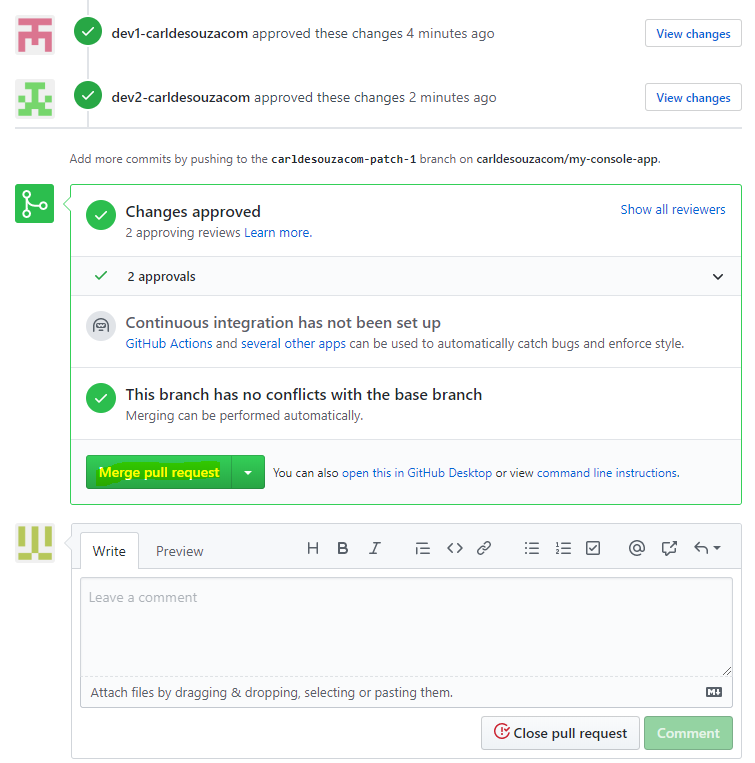
Let’s merge this PR:
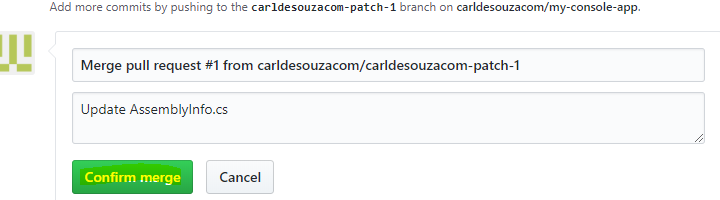
Confirm:
And they can now delete the branch:

With the option to restore the branch:

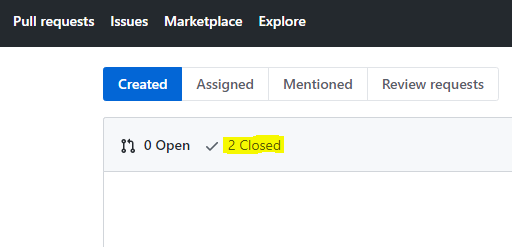
And the PR will move to Closed status:

Explore AI, agents & Microsoft technology.
I share practical ideas, tutorials, and videos about AI, AI agents, Microsoft technologies, and the Power Platform.
Subscribe on YouTube →